Hadath — Beirut
Saint Maria Plaza, 1st floor, Hadath, Beirut, Lebanon
Monday – Saturday: 9:00 AM – 6:00 PM
+961 5 471 324
A practitioner of alternative medicine: he diagnoses by reading the iris, and treats with formulas he prepares from herbal extracts. His clinic runs from two branches — Hadath and Akkar.
Iridology was first recognised in Hungary in 1861 by Ignaz von Péczely, after he noticed a marking change in the eye of an owl with a broken leg — and watched it fade as the leg healed. That observation grew into a science with its own institutes and instruments today.
At High Health Clinic we use this science to diagnose and to follow up on treatment, and we base our formulas on herbs from Lebanese land that we gather and photograph ourselves. Every product has a measured dose, and every case gets a follow-up.
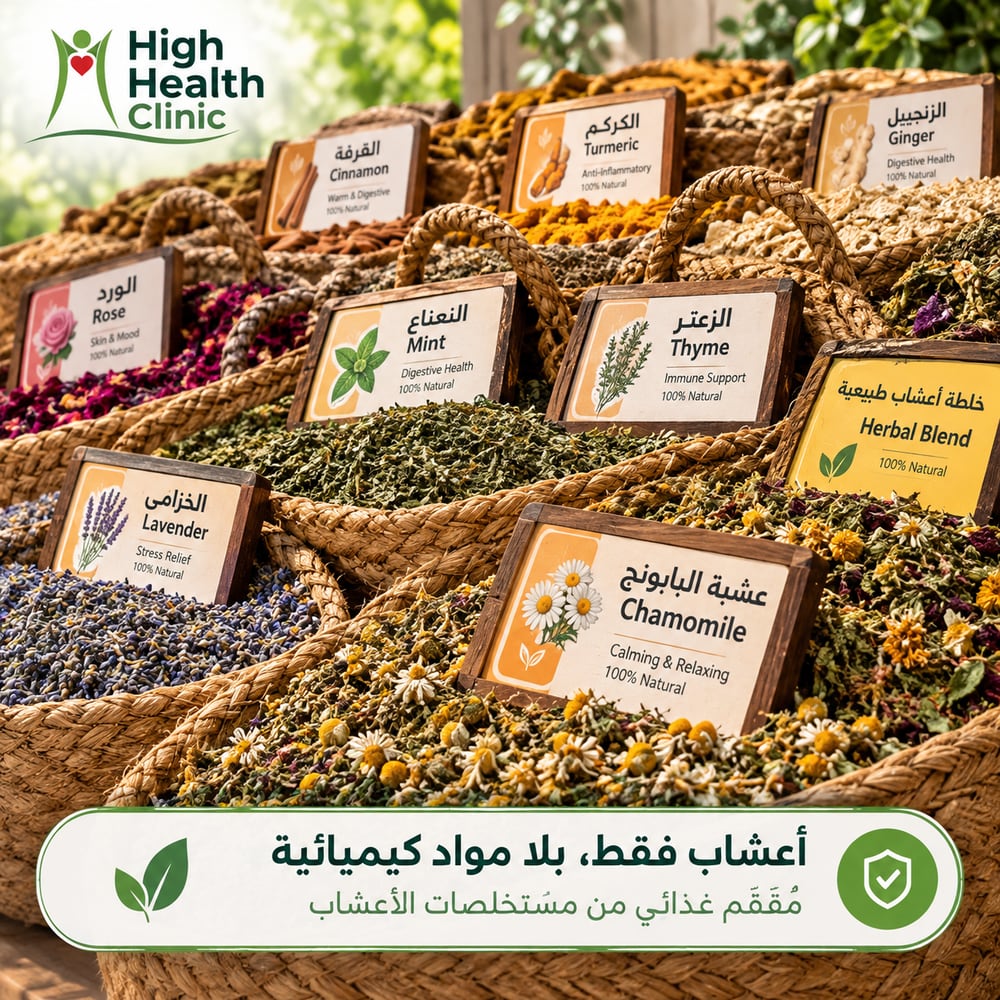
Just herbs, with no chemicals
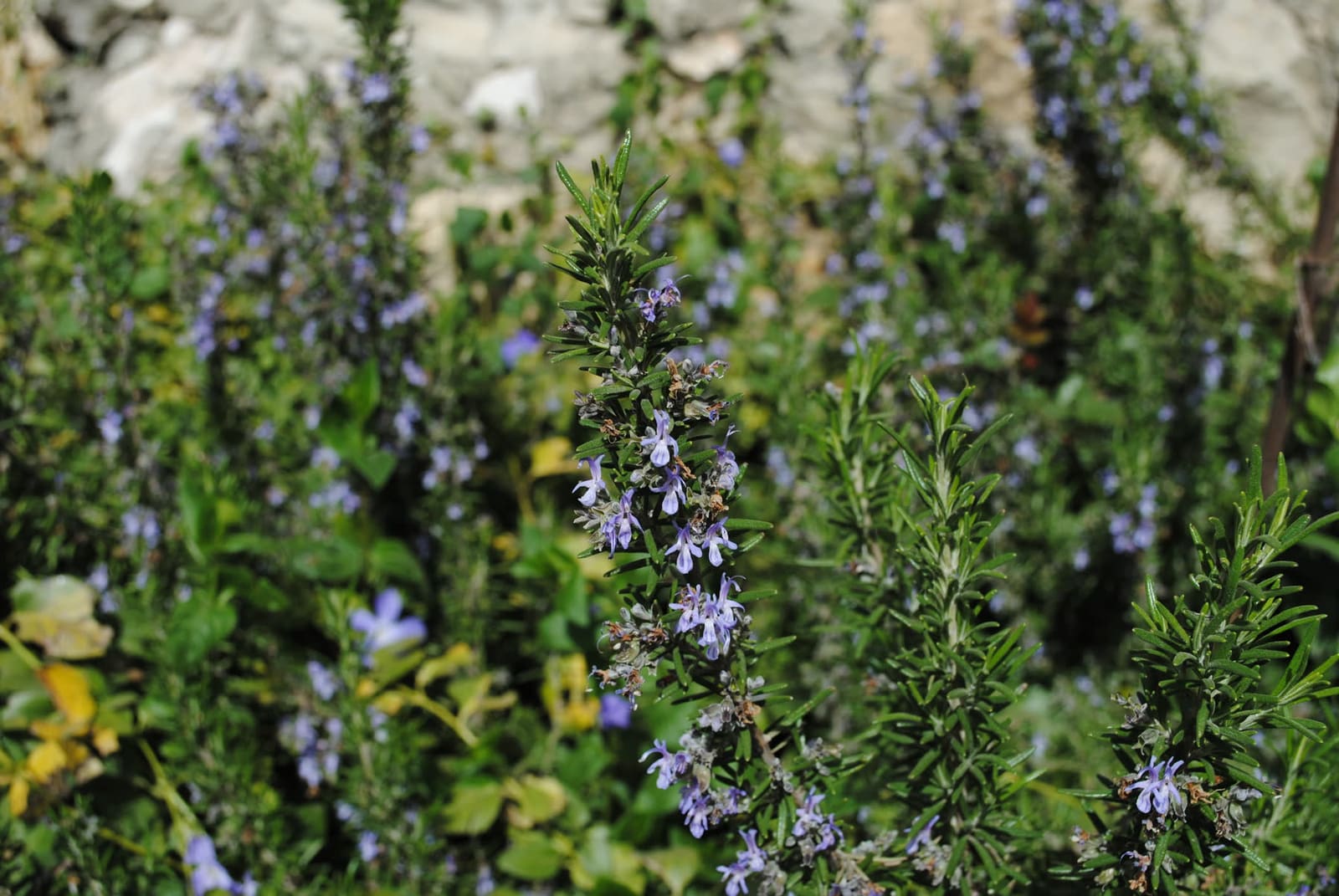
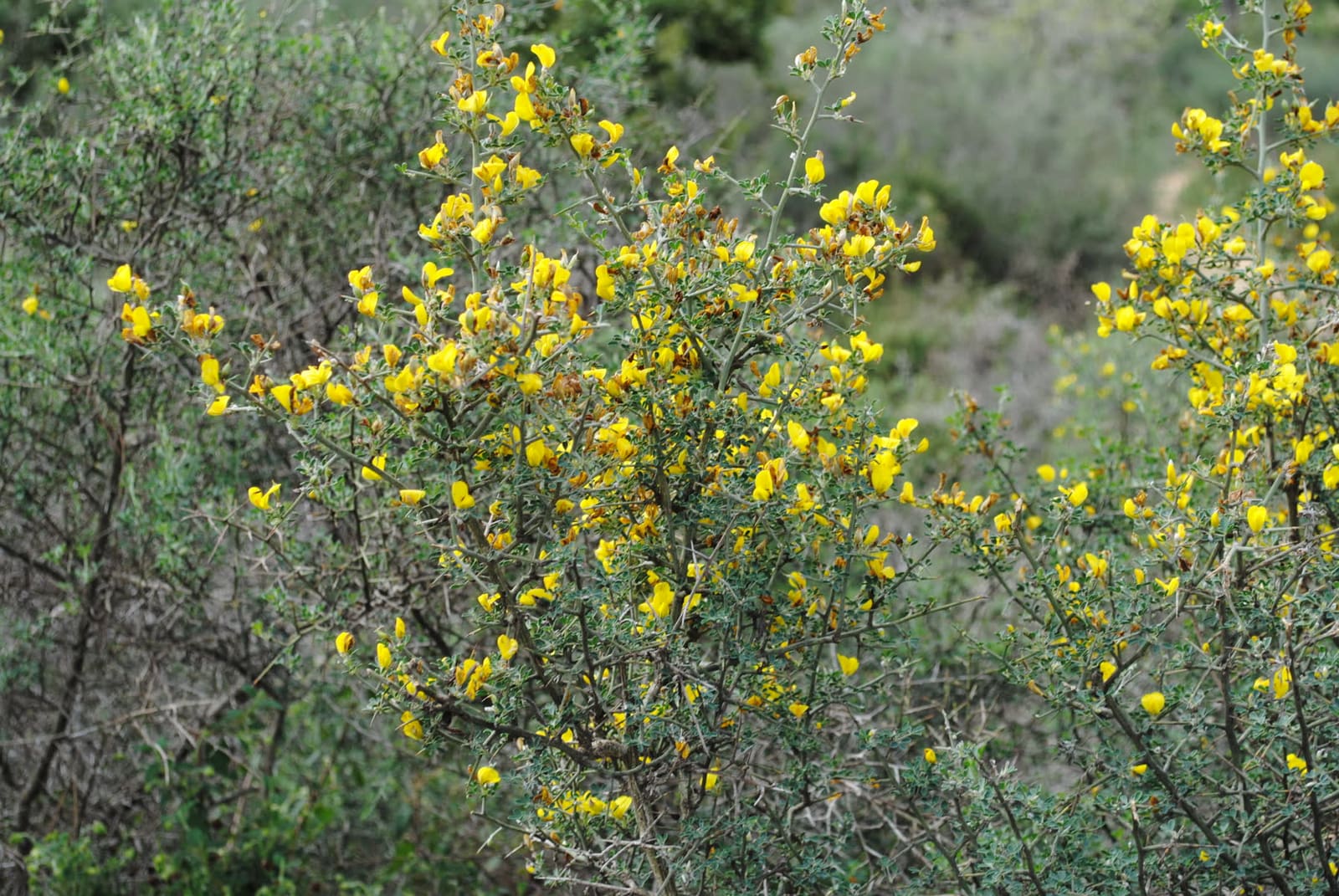
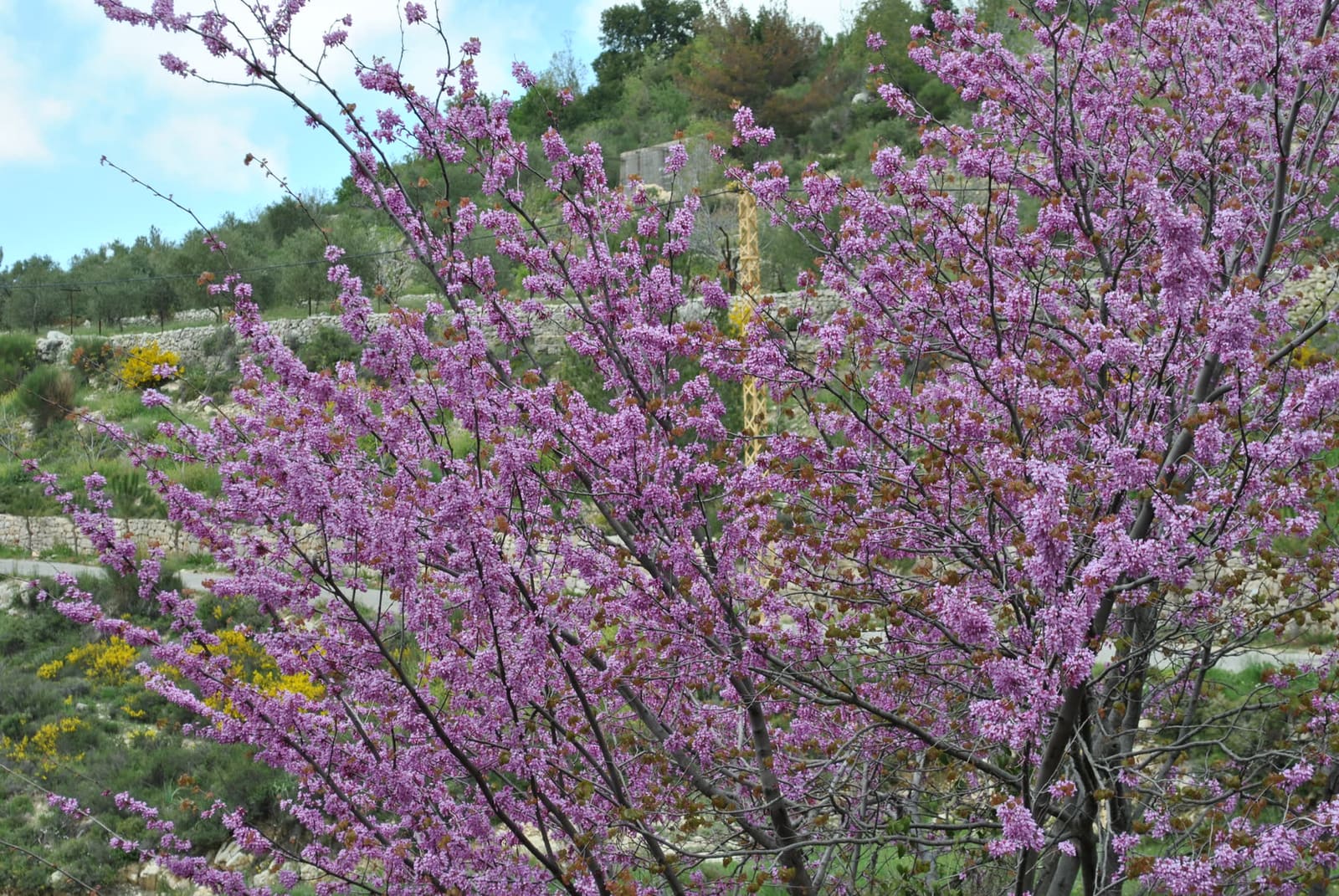
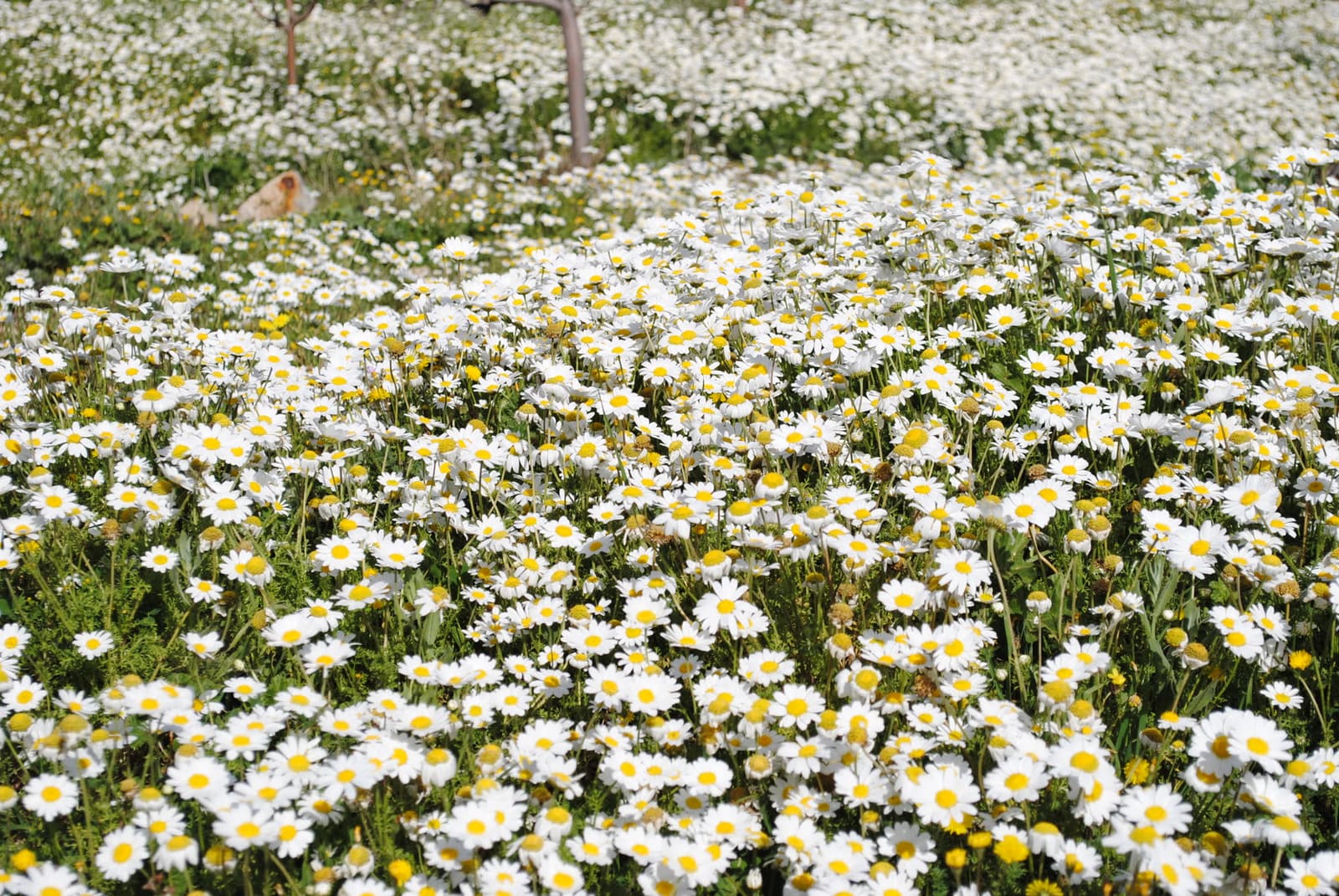
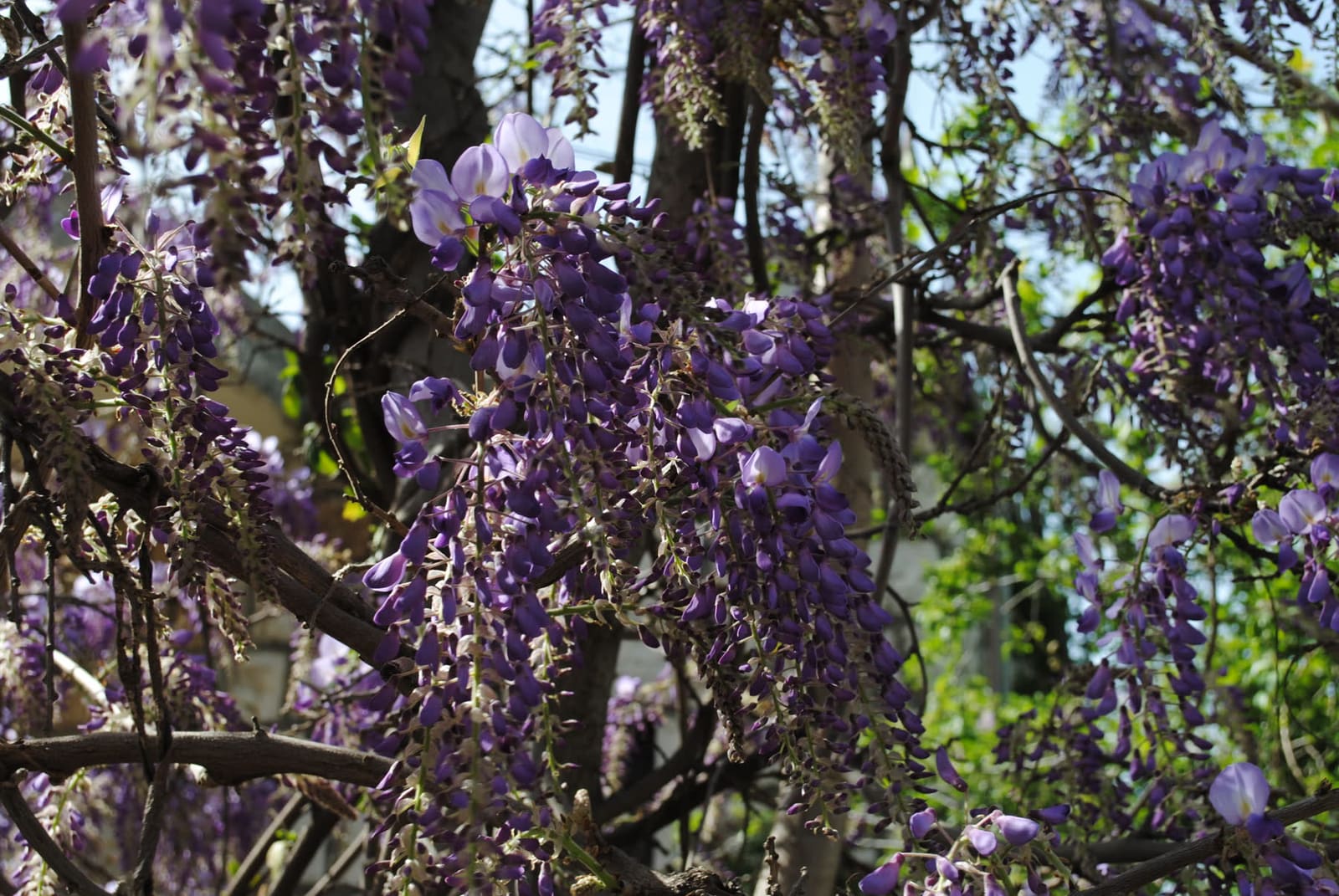
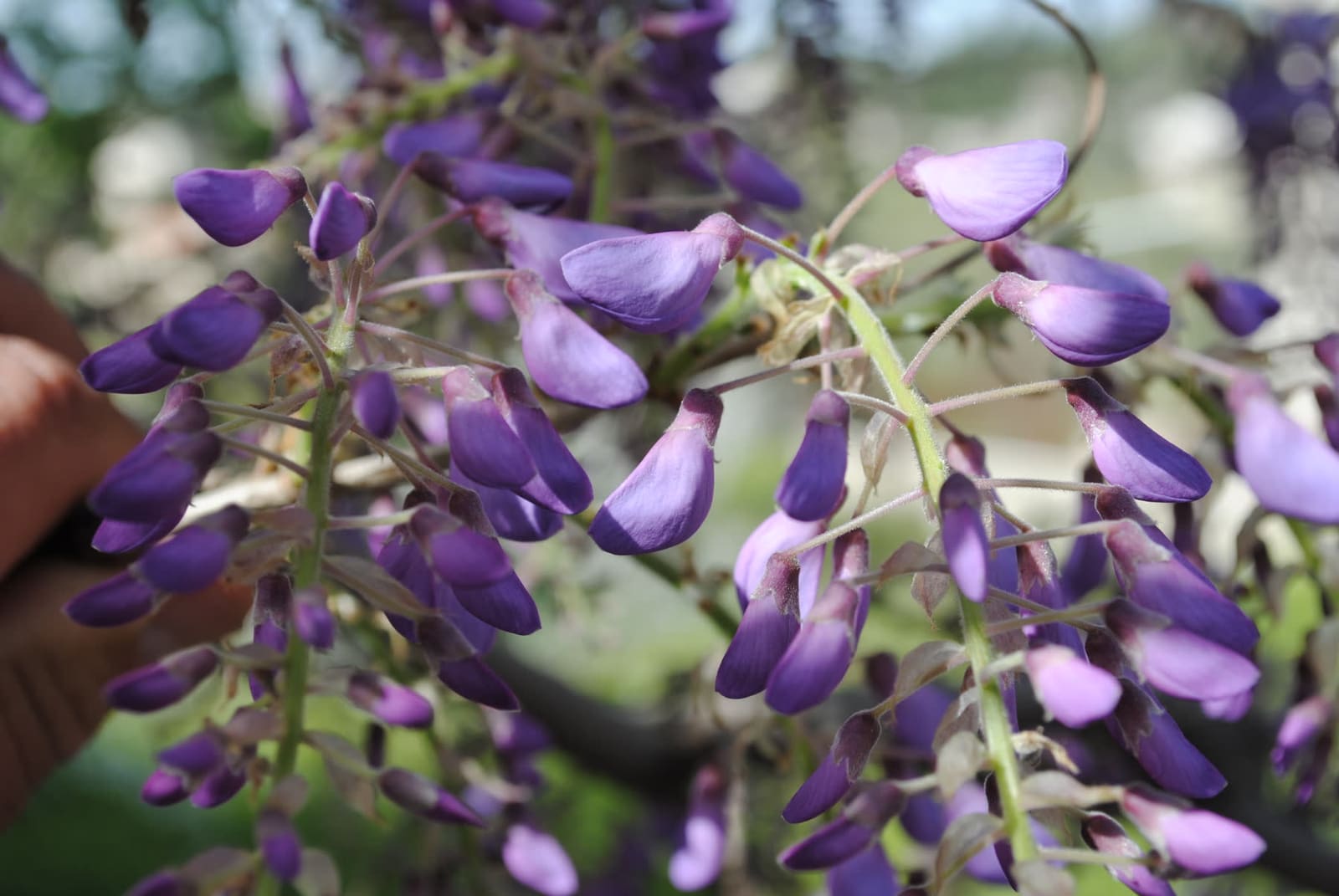
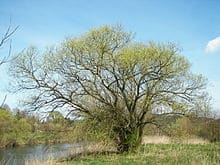
Photographs taken by the clinic team in the mountains of Lebanon during the gathering seasons. Where a herb comes from is part of its quality: soil, climate and harvest time all affect how well it works.
Herbal medicine means using a plant’s seeds, berries, roots, leaves, bark and flowers for treatment. Medicinal uses of plants were recorded as early as 3000 BC, and many cultures built traditional medical systems on them.
A single herb contains several components that work together. Its potency depends on climate, soil quality, and how it is harvested and processed. Herbs are used today for conditions such as asthma, eczema, arthritis, migraine and menopause symptoms.
Always consult a qualified practitioner before using herbs as treatment.
Saint Maria Plaza, 1st floor, Hadath, Beirut, Lebanon
Monday – Saturday: 9:00 AM – 6:00 PM
+961 5 471 324
Akkar — North Lebanon. Message us on WhatsApp for the exact address and visiting day.
By appointment — call to confirm the visiting day